When comparing hay, it can be tempting to look for one number that tells you which feed is best. Relative Feed Value (RFV) and Relative Forage Quality (RFQ) are two numbers designed to help make forage comparisons easier. Both can be useful—but it is important to keep...
The “Fast Energy” Numbers in Your Hay Test: WSC, ESC and Starch Explained
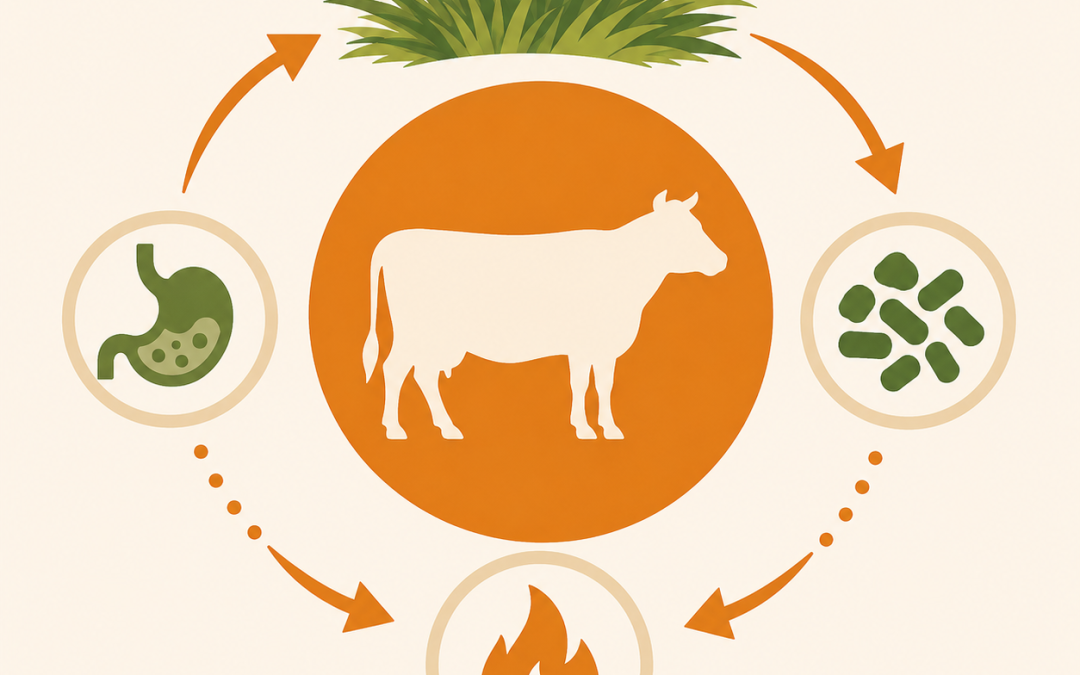
When you receive a Feed Central NIR report, the WSC, ESC and starch numbers tell you: how much rapidly available carbohydrate is in the feed. That matters because cattle and horses process feed in very different ways. Our NDF/ADF article explains that ruminants and...

WHP & ESI: A Practical Guide for Hay and Silage
Withholding Periods & Export Slaughter Intervals in relation to seed dressings which are grazed or cut for silage or hay and fed to livestock.

Why Metabolisable Energy (ME) is critical for Ruminant Nutrition
ME is the number that ultimately determines whether your animals will maintain condition, gain weight, or produce milk.

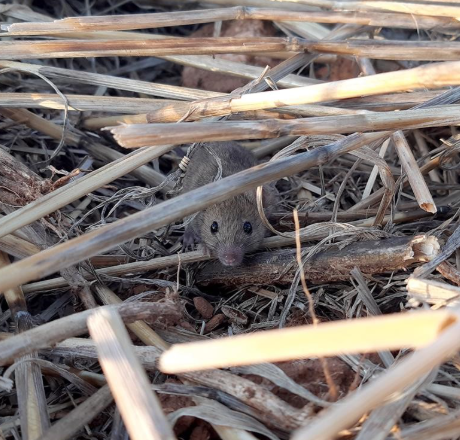
Mouse Control in 2026
The recent decision by the Australian Pesticides and Veterinary Medicines Authority to suspend second-generation anticoagulant rodenticides (SGARs) marks a significant shift for Australian agriculture.

Why Crude Protein Matters in Every Feed Test
Learn what crude protein really means, typical CP ranges for hay and silage, and how NIR testing helps you balance rations for ruminants.

What Lignin Means for Your Summer Hay
Understanding the lignin in your hay crop is key to matching forage to the needs of livestock.

NDF and ADF Explained: The Key Numbers in Your Hay Test
NDF and ADF: two of the most powerful numbers on your feed test.

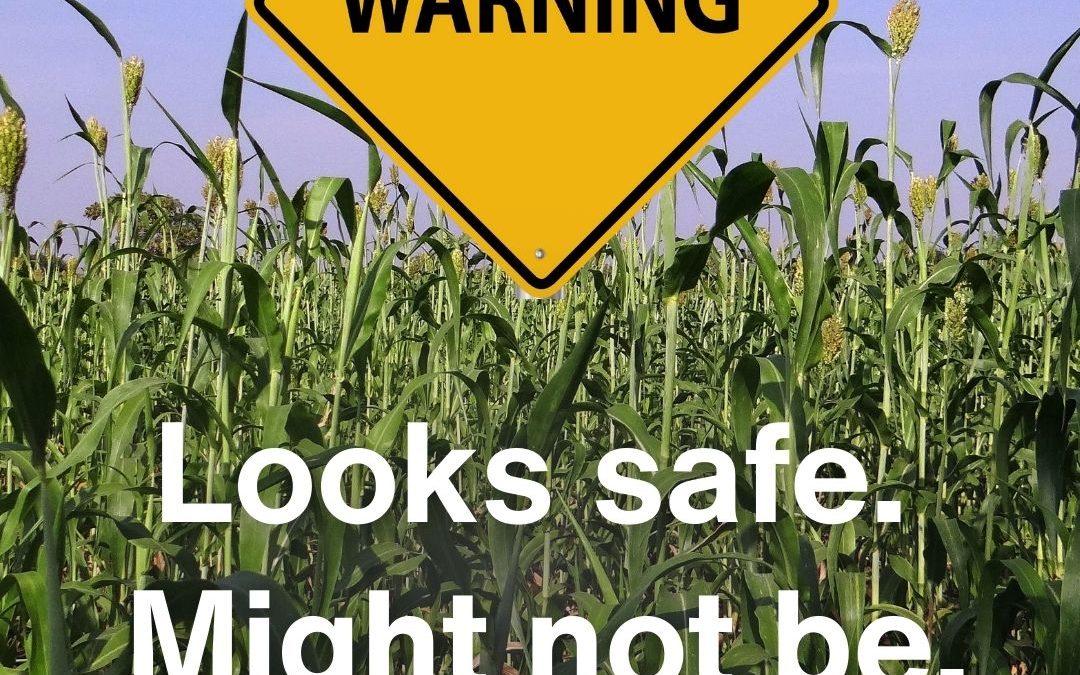
Prussic Acid and Nitrate in Forage: 6 Seasonal Risk Questions Answered
Periods of crop stress change forage chemistry. Drought, temperature variation, slow growth and rapid regrowth after rainfall can cause prussic acid and nitrate to build up to levels that pose a real risk to livestock. This is particularly relevant for sorghum and...

A life-and-death test that could save your stock this summer
When growing conditions have been stressed, it’s imperative you test forage for Nitrates and Prussic Acid before feeding or grazing.

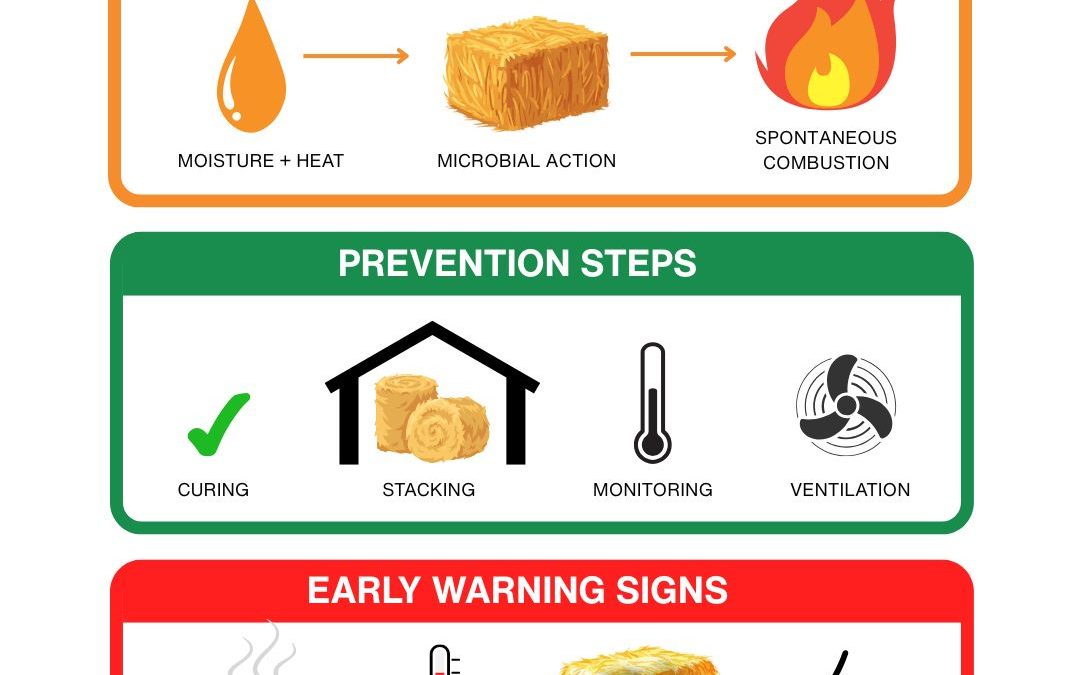
The cause of spontaneous combustion in hay
Spontaneous combustion in hay occurs when internal heat builds up through microbial and chemical processes – here’s how to reduce your risk.

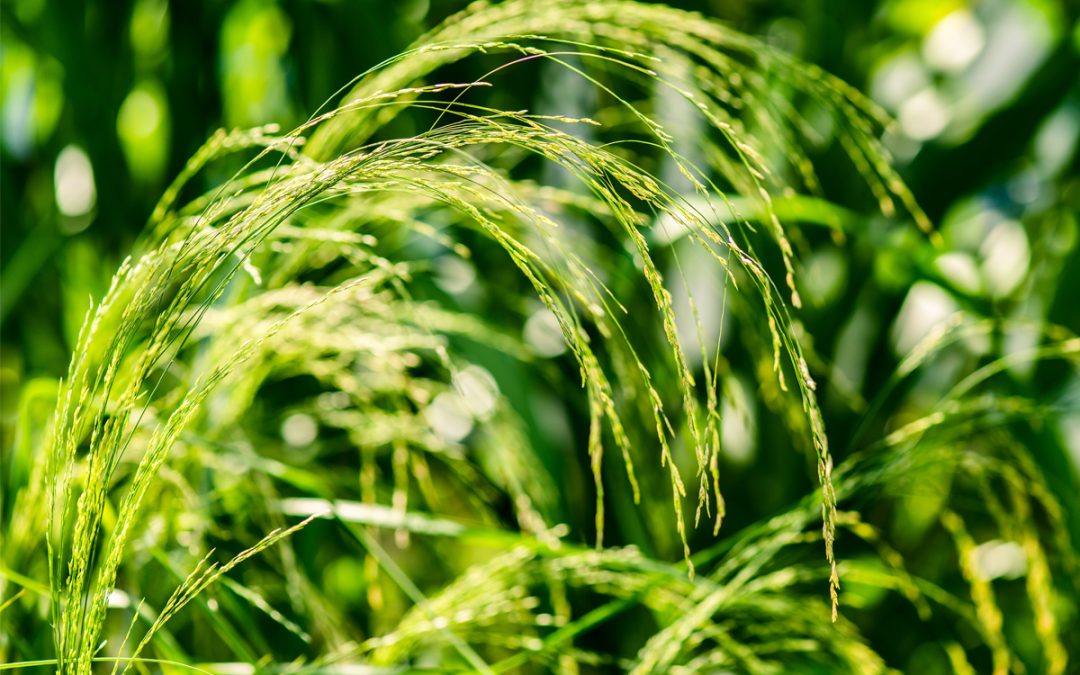
Ration Testing Season and a Teff Hay Surprise
It's been a busy month in the Feed Central lab as feedlots across the country prepare for their Grain Fed certificate audits. We've been working through numerous samples, testing for both Metabolisable Energy (ME) and protein to ensure rations meet the strict...

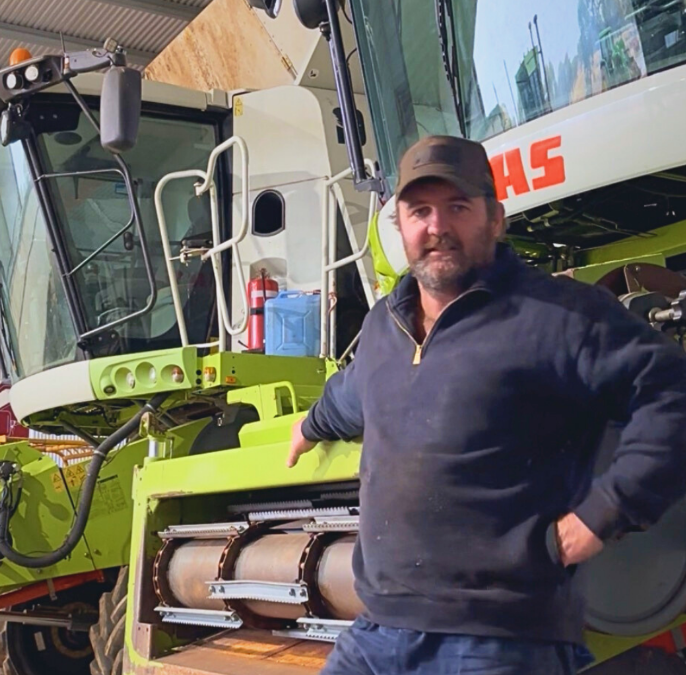
Making the Pivot Work
Grant Alday and daughter, JennaWhen frost devastated Grant Alday's crops last season, he faced a choice that many farmers dread: watch potential profits wither away, or pivot fast and cut for hay. Within days, he made the call that would transform his season. “It...

From Grazing Block to Grain Operation
Pat Hull, first-time silage supplier When Patrick Hull bought Weebergong in 2022, he inherited roughly 1,000 tonnes of silage buried in pits across the property. For two years, the mounds of dirt sat on his driveway - an eyesore he wasn't sure what to do with. But...

What Type Of Hay Should You Make?
SHOULD I FEED MY HORSES LUSH PASTURE GRASS? We have seen debates on many online platforms about the dangers of feeding horses on lush pasture grass and lucerne hays. People blame all sorts of symptoms, from tying-up to colic and laminitis, on high levels of...

Use of Inoculants and Preservatives in Baling Hay
Photo: Checking moistures in the paddock. Producing quality, dry hay can sometimes be challenging for hay producers. This can lead growers to consider using inoculants and hay preservatives. While these additives have their role in the hay production system, it is...

Making Hay from Canola
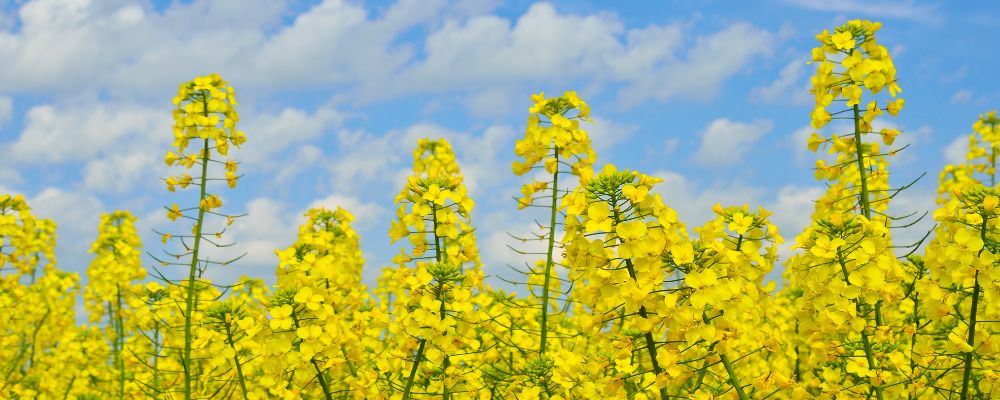
Canola crops that have been damaged due to frost don’t have to be a complete write-off! Making hay out of damaged grain crops is an opportunity to recoup costs but it’s essential that you understand what you’re getting into. Frosted canola crops can be cut for hay,...

Sampling High Moisture Feeds for Feed Analysis
High moisture feed samples from total mixed rations, pastures, pit silage and round bale silage, always require some different handling to your drier hay and grain rations for feed testing. Silage based samples will commence a secondary fermentation when disturbed and...

Problem to Profit: Turning Winter Weeds into Cereal Hay
Weeds may reduce the aesthetic appeal and palatability of hay and/or may put livestock at risk of toxicity. Despite the challenge weeds pose in cereal crops, they present an alternative opportunity for Australian grain growers to transition into hay production before...

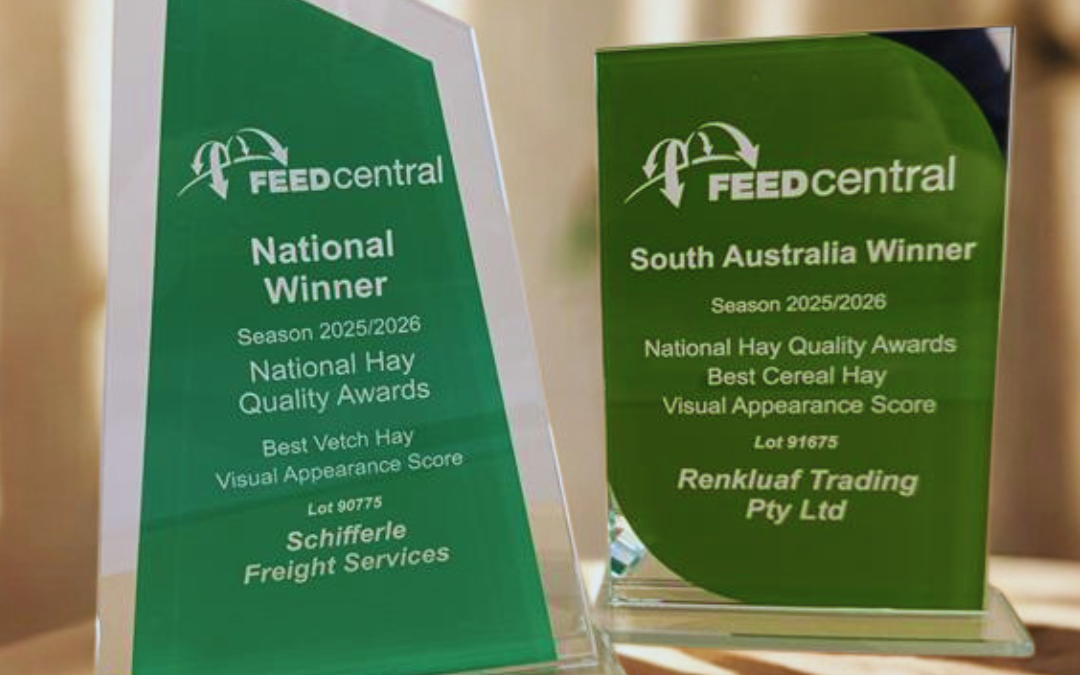
2024 Hay Growers Rewarded Across Australia
Farmers from across Australia have been rewarded for making top-quality hay in a season that marked a return to good growing conditions. Growers from New South Wales, Queensland, Victoria and South Australia shared the top honours in the 2023-24 Feed Central National...