A changing landscape for rodent control
The recent decision by the Australian Pesticides and Veterinary Medicines Authority to suspend second-generation anticoagulant rodenticides (SGARs) marks a significant shift for Australian agriculture.
For growers, contractors and supply chain participants, the message is clear:
It removes a “last-resort, high-power tool” and forces tighter, more controlled use — rather than eliminating rodent control altogether.
Mouse control is still achievable — but it now relies on planning, discipline and system-based management.
Understanding the driver
The regulatory shift reflects growing concerns around:
- Secondary poisoning of native wildlife
- Chemical persistence in the environment
- Risks to livestock, pets and supply chains
Industry alignment
The Grains Research and Development Corporation and industry bodies continue to work toward:
- Practical implementation pathways
- Nationally consistent training requirements
- Recognition of trained industry personnel as authorised users
What Constitutes a Mouse Plague?
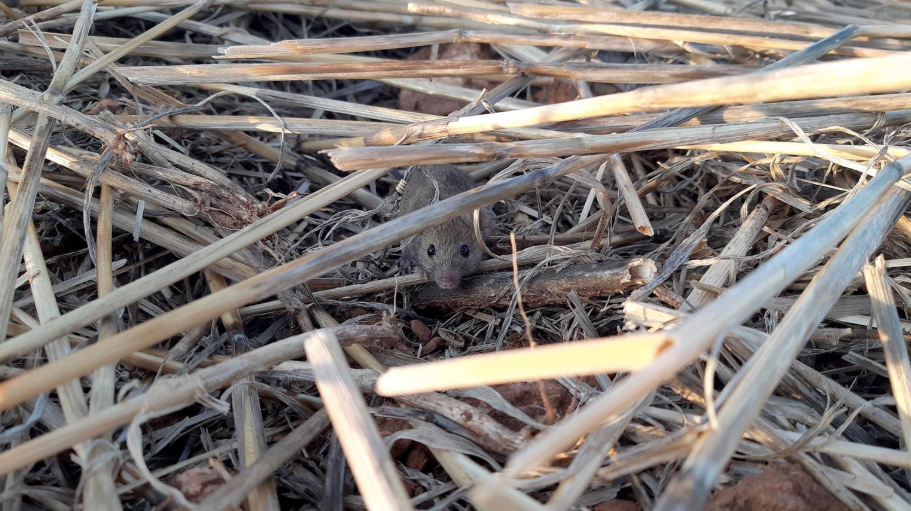
The CSIRO rodent research group generally considers anything over 500 mice per hectare as being a plague. Mice living under field conditions have a seasonal pattern of breeding. This generally begins in early spring and can continue into late autumn the following year.
Mouse Facts

Mice living in unfavourable seasonal conditions may have a shorter breeding period, while those with nests and good cover are likely to have an extended breeding period. Research suggests that it is the quality more than the quantity of food that extends the breeding season.
“Top operators don’t just react to mice — they stay ahead of them.”
Paddock Control: Precision Over Product
With SGARs removed from broadacre use, zinc phosphide (ZnP) is now the primary control tool.
What operators need to consider
- Act early — before damage is visible
- Target post-harvest and pre-sowing windows
- Monitor burrow activity, not just crop damage
- Apply one well-timed baiting, not repeated attempts
Correct timing of ZnP
Apply when:
- Food is limited (post-harvest / pre-sowing ideal)
- Mice are actively foraging
Avoid:
- Heavy stubble loads with abundant grain
- Immediately after rain (bait degradation)
Practical paddock tactics
- Reduce spilt grain after harvest
- Consider strategic light grazing or stubble management
- Monitor weekly during risk periods
- Coordinate baiting with neighbours (huge advantage)
Farms that delay action until mice are visible above ground are already behind.

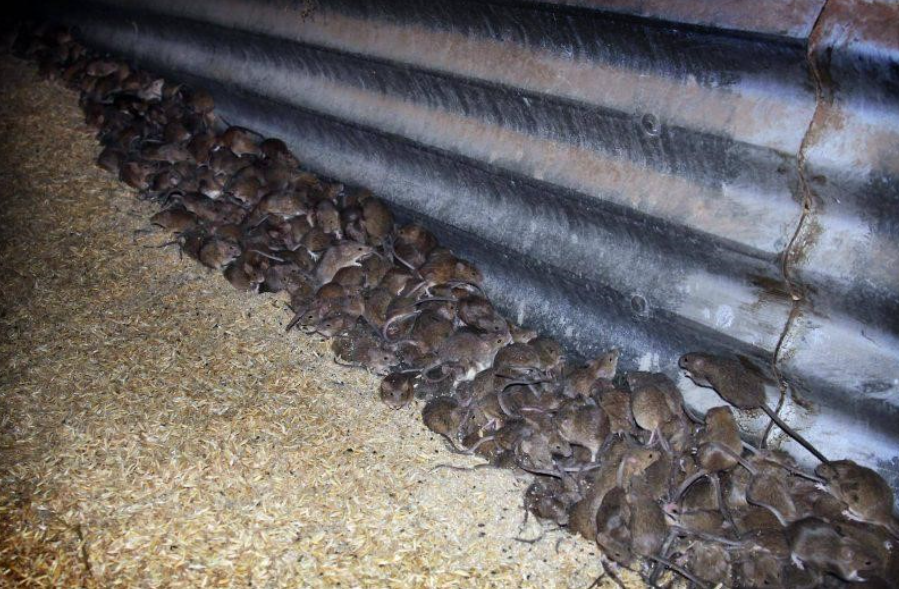
“Quality hay starts with a clean shed — and that includes controlling rodents properly.”

SGARs remain a valuable tool within controlled environments, including:
- Hay sheds
- Grain storage sites
- Handling and export facilities
However, their use is now:
- Only by Authorised Persons (soon)
- With strict placement rules
- With increased labour:
- Carcass searches and removal
- Station maintenance
- Compliance documentation
This adds:
- Cost
- Training requirements
- Audit/compliance pressure
But importantly: Control is still possible in these environments
Best Practice Standard
- Permanent, fixed bait stations installed
- Regular inspection and replenishment
- Carcass removal protocols in place
- Clean, spill-free storage environments
System-based control
Bait Stations; whatever you do don’t hold back on the number of bait stations, in particular in the vicinity of Fodder & Grain storage.
- If there is a source of food other than bait stations, regardless of the quality or quantity of the food source, the mice may not eat at your bait stations if they are too few or too far apart,eg.if you have bait stations 15-20 feet apart and you are not getting kills, you need to place them closer and more often. Shorten the distance 6-12 feet apart.
- Place your bait / stations as close as you can to, or right up against walls. They like to travel these areas, if your bait is too far from this area they may just run past and miss them. Mice will live above and below the food source, make sure you cover all areas.
- Place bait stations as close as you safely can to the actual food source.
- Inside and outside of areas / sheds, ensuring you are covering entry and exits of sites.
- Water sources, reduce these as much as you can, ‘no drippingtaps’.
- Avoid any possible contamination of bait stations. For external bait stations ensurewhere everpossible they are attached to a solid object (light chain or rope) as a strong breeze / wind can move the station from where you need it. Or place a rock on top of it.
- Number your bait stations; helps keep track of certain areas of one site that is being hit hard. Allows you to concentrate / lift your attack and allows you to develop written reports forday to day comparison
Hygiene
- Eliminate grain and hay waste
- Maintain clean loading and storage areas
Habitat management
- Reduce shelter (stubble, rubbish, long grass)
- Maintain clear perimeters around infrastructure
- Restrict entry points.
- Restrict access to water-mice require water daily
Monitoring
- Routine inspection of paddocks and storage
- Early detection through structured checks
Natural Population Decline
✔ Still valid observations:
- Cold, wet weather:
- Reduces activity
- Disrupts breeding
- Disease (e.g. “lumpy tail”) contributes to decline
However: Not reliable as a management strategy on its own
The Bottom Line
- SGARs are no longer a broadacre solution
- Zinc phosphide is now critical in paddock programs
- SGARs usable in infrastructure areas (with restrictions)
- Harder in paddocks → more risk in plague years
- Manageable in sheds → but higher cost/compliance
- Success now depends on timing + discipline, not just chemistry
Final Takeaway
In 2026, the best mouse control programs won’t rely on stronger chemicals — they’ll rely on better systems.